

You see a photograph online and immediately feel a connection. Perhaps a rescue dog desperately needs a home, or you visit a litter and one puppy falls asleep in your lap.
At that moment, it becomes very easy to imagine your future together. Walks through the countryside, quiet evenings on the sofa and a dog who seems to have been waiting specifically for you.
The less appealing parts rarely feature in that picture.
Nobody imagines the puppy biting their hands after another broken night’s sleep. They do not picture rushing home because the dog cannot cope alone, paying an unexpected veterinary bill or standing outside in heavy rain while the dog carefully investigates every blade of grass instead of going to the toilet.
Feeling an emotional connection is not wrong. Dogs become part of our families, so emotion will naturally be involved. The difficulty comes when emotion is allowed to make the entire decision.
Do you have enough time for a dog?
Before asking whether you want a dog, look honestly at the time you have available now.
A puppy needs frequent toilet opportunities, supervision, careful socialisation, training and help learning how to settle. They may wake during the night, chew household items and need support throughout the working day.
An adult dog may require less supervision, but they still need time to adjust to an unfamiliar home. A rescue dog’s behaviour in kennels or foster care may not tell you exactly how they will respond once they are living with you.
Consider what an ordinary working day would look like. Who will provide care in the morning? How long might the dog need to remain alone? What happens when work runs late or somebody becomes ill?
Your answer must reflect your real routine rather than the routine you hope to create after the dog arrives.
Does the dog suit your lifestyle?
Breed can provide useful clues about possible activity levels, inherited traits and health risks. It cannot guarantee an individual dog’s personality or behaviour.
Genetics, early experiences, physical health, environment and learning history all contribute to the dog in front of you.
If you enjoy gentle walks and quiet evenings, a dog bred for demanding physical or mental work may be difficult to accommodate. If you want a regular hiking companion, you need to consider the dog’s age, health and physical structure before assuming they can accompany you.
Appearance should never be the deciding factor. Some popular physical features are associated with increased risks of breathing difficulties, joint disease, spinal problems or eye injuries. These conditions can affect the dog’s comfort, activity and veterinary needs throughout their life.
Can you afford the ongoing costs?
The purchase or adoption fee is only the beginning.
Regular costs may include food, insurance, preventative healthcare, equipment, training and care when you are working or travelling. You also need to prepare for insurance excesses, exclusions and treatment that may not be covered.
If the dog struggled with separation, handling, other dogs or an unfamiliar environment, would you be able to pay for qualified professional support?
This is not about suggesting that only wealthy people should have dogs. It is about making an honest financial decision before another living being depends on you.
Is your home genuinely suitable?
A large house does not automatically create a better life for a dog. Dogs can live happily in smaller homes when their physical and emotional needs are properly met.
Practical details matter more than property size. Is your garden secure? Does your tenancy allow dogs? Are there stairs that could present difficulties? Can the dog rest somewhere quiet without being repeatedly disturbed?
Children need supervision and guidance around dogs. Existing animals need thoughtful introductions and protection from unwanted interaction. Everybody in the household should understand the commitment, even when one person expects to handle most of the daily care.
You should also decide who would care for the dog if you became ill or your circumstances suddenly changed.
Sometimes saying no is the responsible decision
A reputable rescue organisation or breeder should want to know about your routine, experience and household. They should answer questions about the dog’s health, behaviour, daily care and previous experience of being left.
Be cautious if somebody pressures you into making an immediate decision or dismisses reasonable questions.
You must also be prepared to hear that a particular dog may not suit your home. That is not a rejection of the dog. Recognising that you cannot provide what an individual needs may be the kindest decision available.
Choosing an adult dog is not settling for second best either. An adult whose temperament and needs are better understood may fit your life far more comfortably than a puppy.
Before committing, give yourself a cooling-off period. Write down how the dog’s needs would be met during a normal week, calculate the likely costs and discuss responsibilities with everybody involved.
If the answer is still yes after considering the difficult parts as clearly as the lovely ones, you can move forward with preparation as well as excitement.
Watch the complete episode of Paws and Pawsitivity here:
🎧 Listen to the full episode now!
Please share the episode with somebody who is considering bringing a dog home. For professional online dog training and personalised force-free support, visit http://www.pta.dog
If you’re ready to level up your dog’s training, hit that play button and join me for this exciting episode of Paws and Pawsitivity! 🐾
🎧 Listen to the full episode now!


Enjoyed this post?
Don’t just close the tab, help spread the pawsitivity!
👉 Like the post to show your support
👉 Share it with fellow dog lovers
👉 Subscribe so you never miss out on future tips and insights
Your clicks really do count, and every share helps more dogs (and humans) discover the power of kind, ethical training. 🐾
Enrich Your Dog’s Day, Every Day
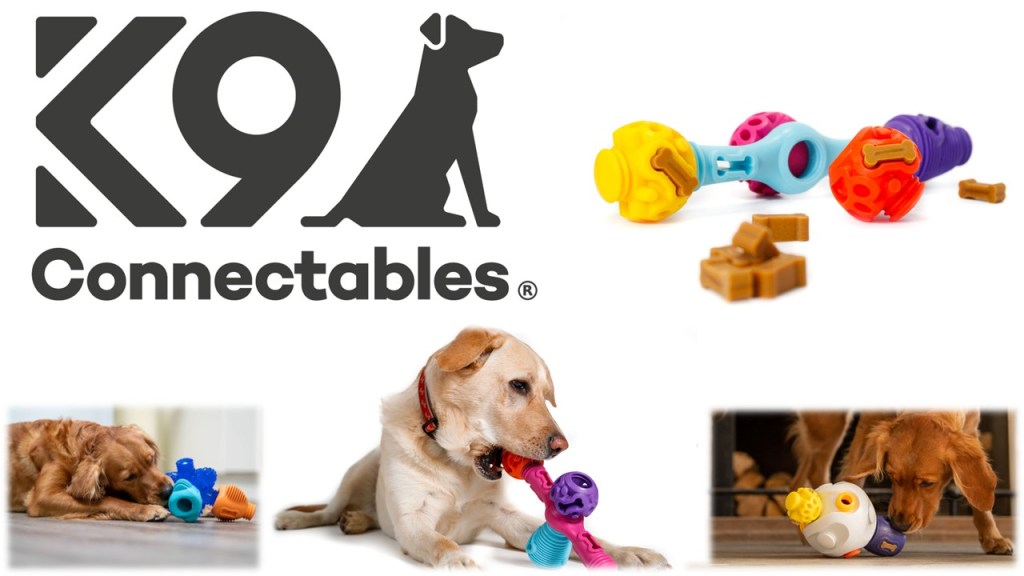
Before you go, treat your pup to something special. K9 Connectables offers mental stimulation and enrichment that aligns perfectly with a force-free training lifestyle. Because a tired dog isn’t always a happy one – but a fulfilled dog is.
CLICK HERE or on the image below to explore K9 Connectables and enjoy 10% off, thanks to our special partnership with K9 Connectables. Your dog will thank you for it! Or simply use code PTA10 at checkout!
It’s one small change that can make a big difference, starting today.